by C. Elkins, OK Math and Reading Lady
Welcome back to the third text structure post. Today’s focus will be on sequence / chronological order and descriptive text structures. Here are some graphic organizers to keep in mind.

Sequence / Chronological Order
1. Sequence refers to a particular order in time. This can be:
- Information presented minute by minute, hourly, weekly, monthly, yearly, etc.
- Providing information by dates (a timeline)
- Steps of how to complete something (first, second, third, etc.)
- A retelling of events in the order they happened: First, next, then, finally or beginning / middle / end. It may be helpful to use a “retelling rope”. Use a section of rope or nylon cord (approx. 1 foot long). Tie several knots along the length of it (3-5). At each knot, retell part of the story or events in sequence.
- Observing how things / people have changed over time
- Non-fiction and fiction selections
- Arranging events in order using pictures
2. Connecting sequence to strategies:
- Predict what will happen next in the sequence.
- Visualize the steps involved.
- Make personal connections regarding your own experience with the sequenced topic.
3. Sequence / Chronological order main idea / summarizing sentence frames: Suppose I read an article telling about the seasonal journey of a pod of whales. Again, the topic is whales — but this is NOT the main idea.
- (Main idea): Whales travel to different locations each season to find food and a mate.
- How to ________ step by step.
- The timeline of _________________.
- There are several steps to ______________. First, _________. Then, ___________. Last, ________.
- The life cycle of __________.
- Many things happened during _____________’s life.
- (Summarize): Whales travel to different locations each season to find food and a mate. In the spring, they ________. In the summer, ______________. In the fall, _____________. In the winter, _________.
- To make ________, follow these steps: ________________.
- The life cycle of a ___________ includes these stages: _______________.
- Many things happened during _____________’s life. In (year), he/she_____________. After that, _____________. Then, ________________. Finally, ___________________.
Descriptive Text Structure
1. Descriptive structures give details. These can be:
- Details or descriptions about a person, a place, a thing, an idea, an animal, an event, etc.
- A web graphic organizer is a good model to visualize, with the topic in the center and the supporting details branching outwards.
2. Connecting to strategies:
- Visualize what is being described, especially if there are no pictures or photos in the text.
- Ask questions about the topic such as: “I wonder . . .”
- Analyze the point of view: What is the author’s point of view. Is he/she presenting a one-sided view of the details presented?
- Make connections to the topic.


 is to almost all of the other comprehension skills and strategies. So that will be my focus for the next few posts — how this text structure connection relates to main idea, summarizing, note-taking, and writing. This post will feature the compare and contrast text structure (and some resources at the end of this post).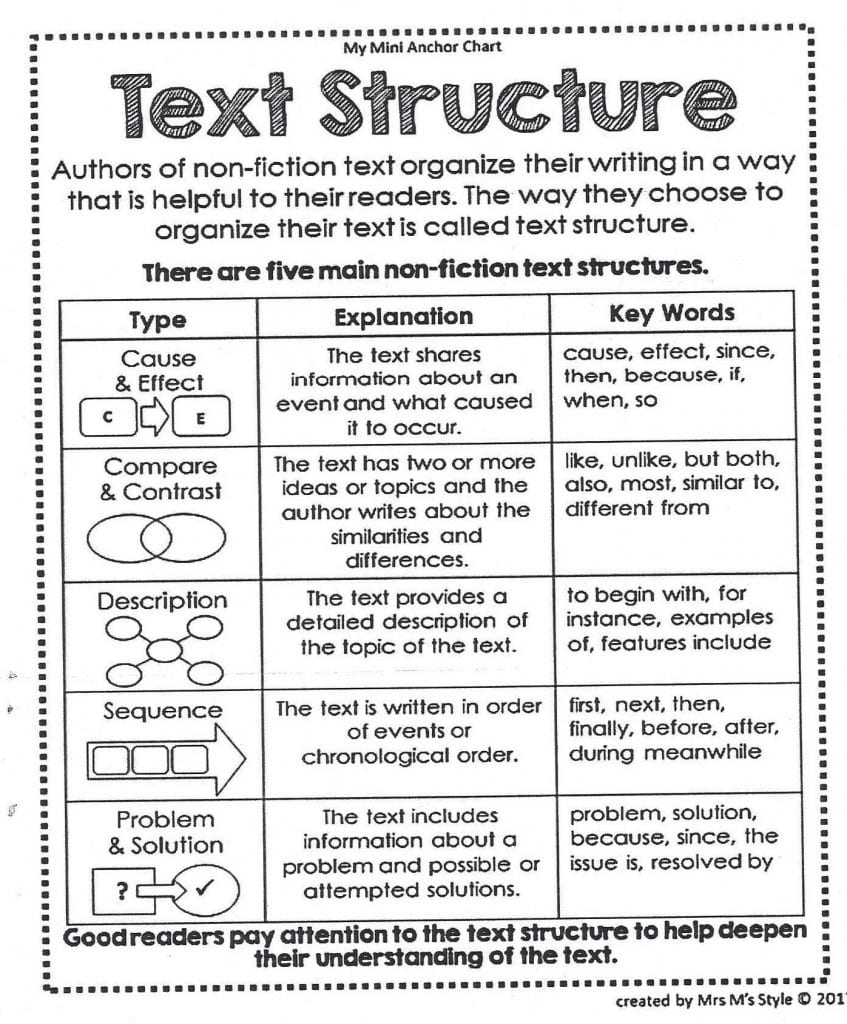
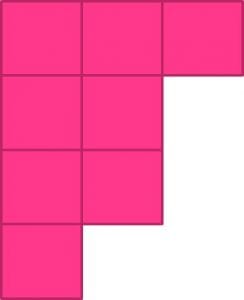
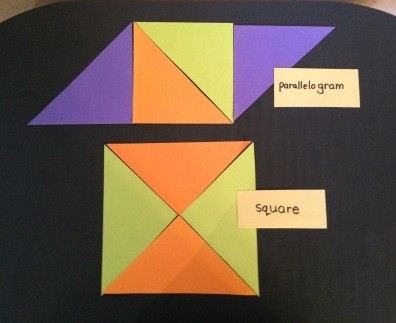
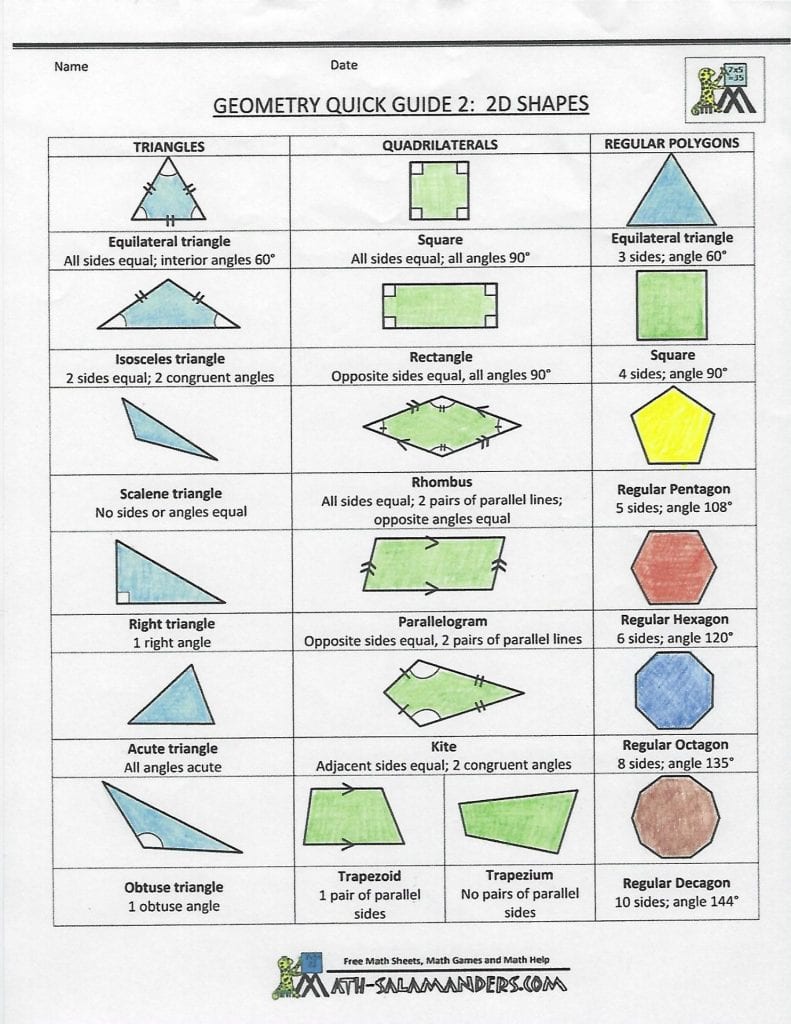
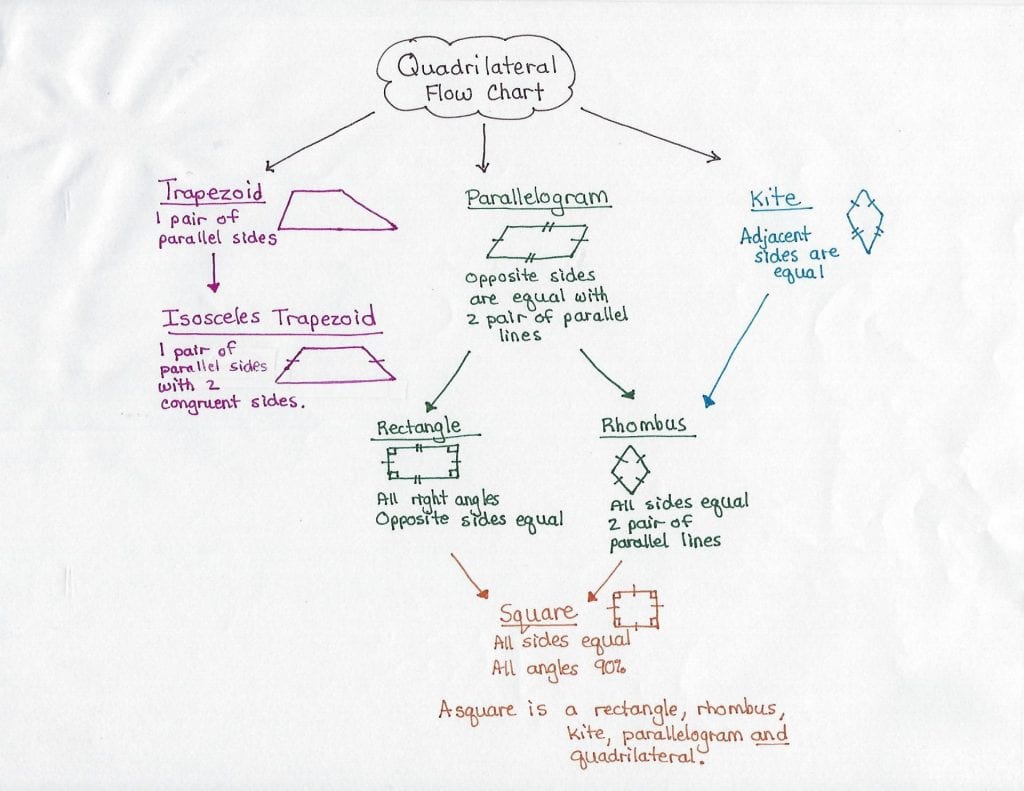
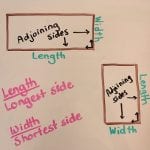 A quadrilateral (4 sides) with 4 right angles and opposite sides are equal.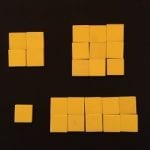

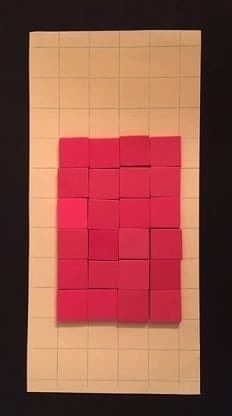



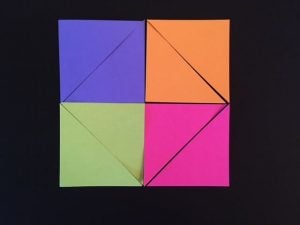
 as a springboard to compose other polygons using various numbers of triangles.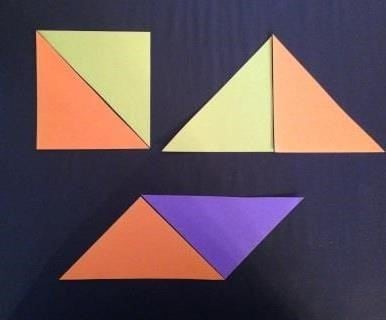



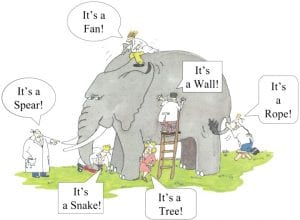


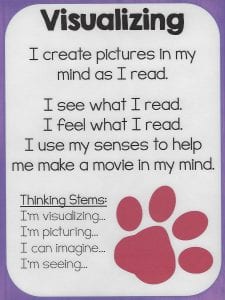 I might use skills about character analysis such as paying attention to their words and actions to help me “see” what is really going on. Another example: I might use skills about noting details while reading a passage to make the details “come alive” as I try to picture them in my mind. (See link to strategy posters at the end of this post.)